
Suicide Prevention and Intervention for Asian American & Asian Immigrant (AAAI) Youth (Webinar Series)
Webinar 2: Clinical & Community-Based Approaches
Recording & Slides
March 17, 2026
About
Join us for a conversation on suicide prevention efforts within community-based organizations serving AAAI communities. This webinar will explore culturally responsive approaches to identifying, preventing, and addressing suicidal ideation among AAAI children, youth, and families.
Speakers will discuss the unique pressures shaping youth mental health, including stigma, internalized achievement expectations, and barriers to accessing care, and examine how these dynamics influence help-seeking behaviors. The session will focus on suicide prevention approaches implemented in both clinical and community-based settings, highlighting practical strategies to reduce stigma, strengthen early identification, and expand access to support through schools, families, and community partnerships.
Through case studies and field-based insights, this webinar will offer actionable approaches to strengthening prevention efforts and supporting youth across the spectrum of suicidality.
Learning Objectives
As a result of attending this webinar, participants will be able to:
Describe at least two trauma-informed, community-based approaches that reduce stigma around mental health and suicide among AAAI children, youth, and families.
Explain at least two strategies that help to engage AAAI children, youth, and families in mental health community services and programs.
Describe at least two prevention strategies that support early identification and intervention for suicidality among AAAI youth.
Moderator:
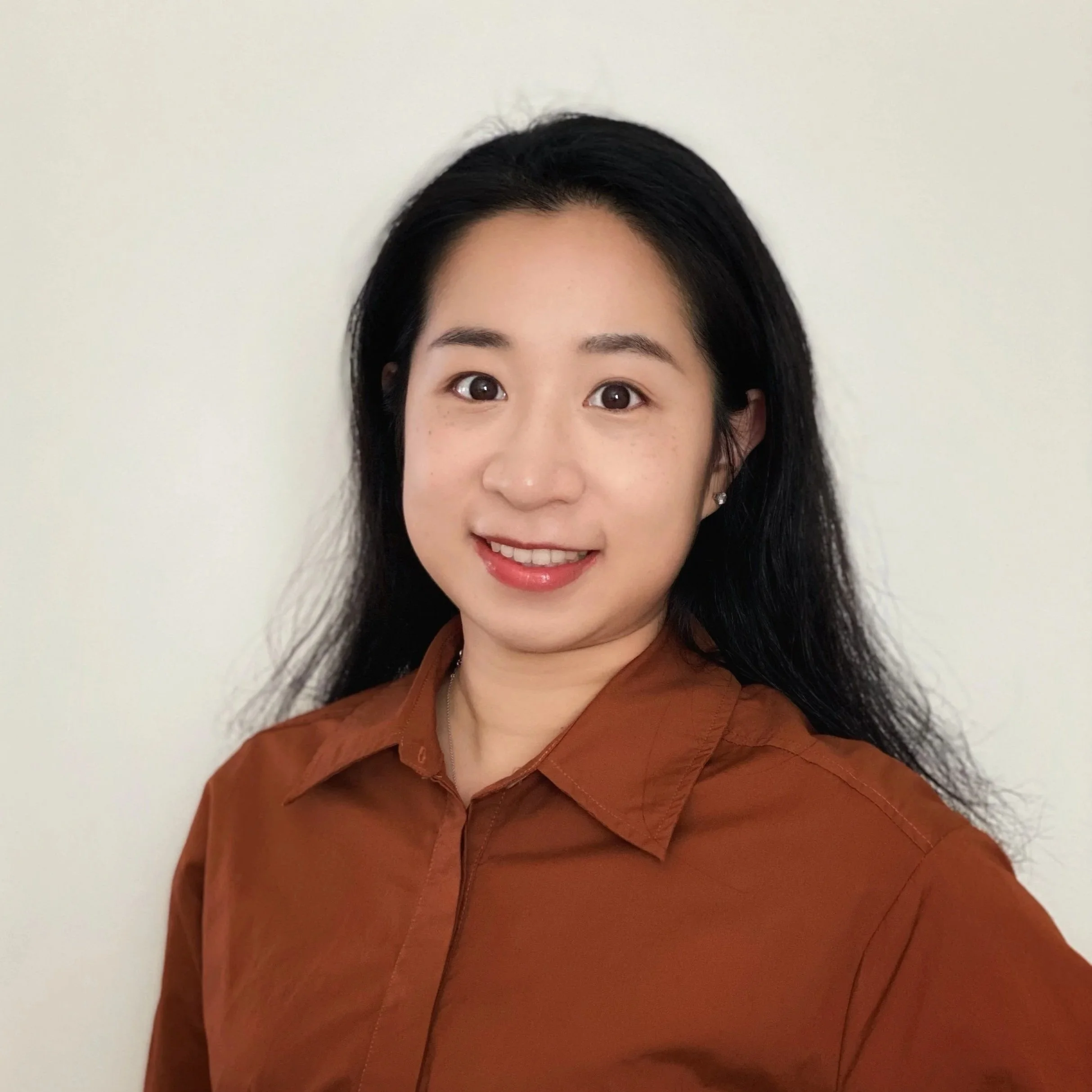
Keye Xu, PhD
Research Associate, The Lotus Project
As a Research Associate, Keye is dedicated to bridging evidence-based programs and rigorous psychological research with culturally-relevant mental health practices to better support children and families in AAPI and immigrant communities. She gained her Ph.D degree in Education (human development and psychology focus) from University of California, Los Angeles, with her dissertation exploring the cultural nuances of parenting among Chinese American mothers.
Speakers:
(Slides)
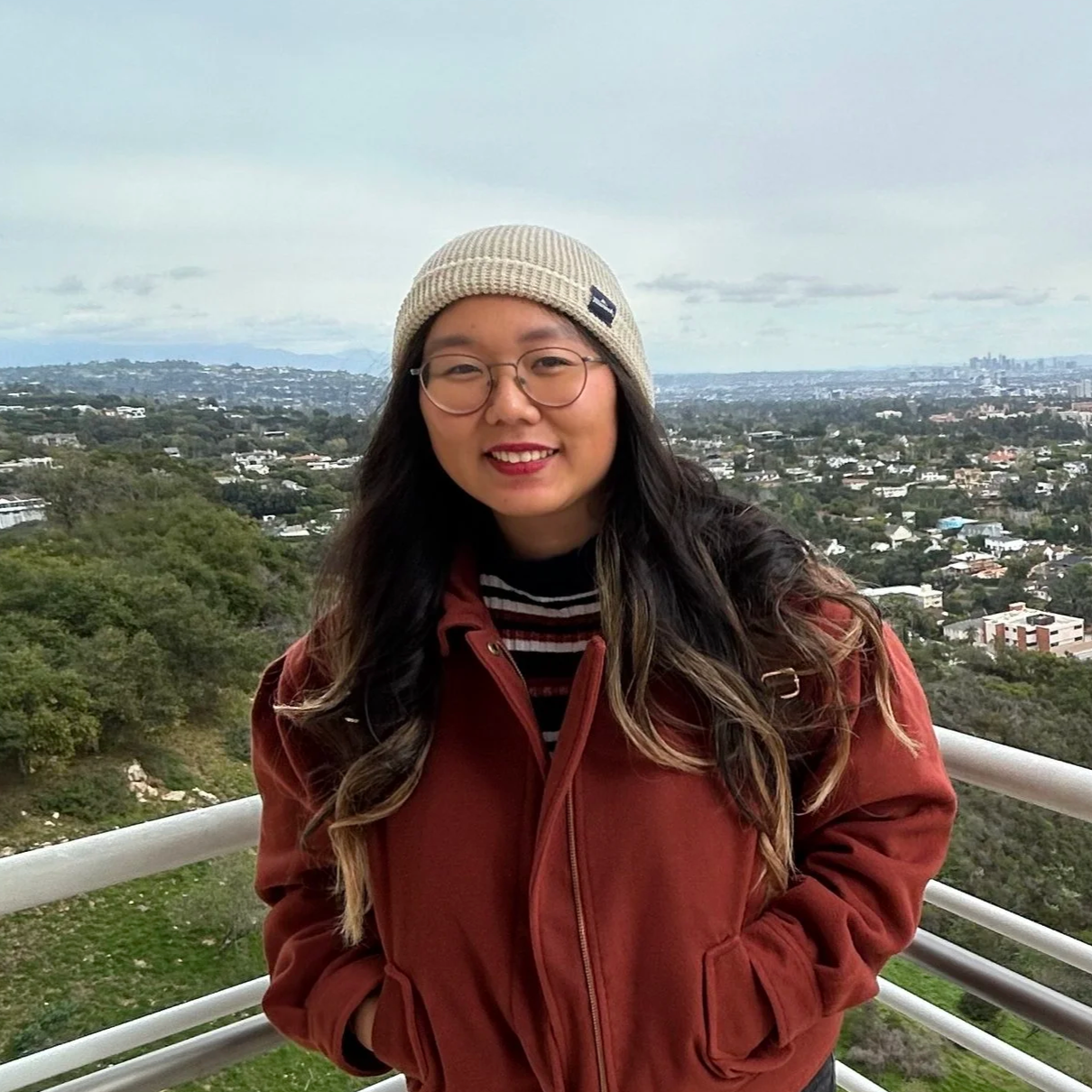
Mary Lu, MA, LMFT
Program Director of Orange County Asian and Pacific Islander Community Alliance (OCAPICA)
E-mail: mlu@ocapica.org
Mary Lu, LMFT is currently a Program Director at Orange County Asian and Pacific Islander Community Alliance (OCAPICA) Project HOPE, a non-profit behavioral health program that provides short-term mental health services to children, adolescents, and young adults and their families, specializing in needs pertaining to the AANHPI population. She identifies as Korean-American, daughter of immigrants, and resident of SoCal her whole life. She graduated with her Bachelors from UCLA and her Masters from Hope International University (HIU) and has experience working with individuals, couples, and families of all backgrounds at a full-service wraparound, faith-based institutions, and private practice.
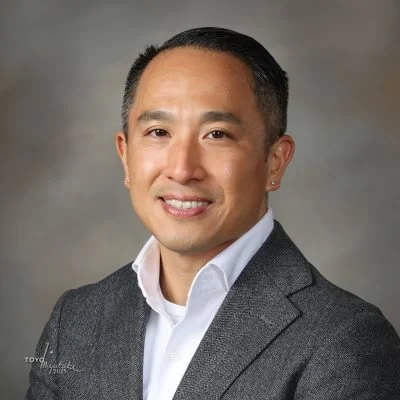
Peter Gee, MPP, RN
Co-Executive Director of Little Tokyo Service Center (LTSC)
E-mail: socialservices@ltsc.org
Peter Gee, RN, is Co-Executive Director of Little Tokyo Service Center (LTSC) in Los Angeles, where he oversees social services, mental health, homeless services, and community programs serving communities across LA County. He brings over 15 years of leadership in nonprofit management, public service, and healthcare. Peter previously served in roles at Asian Americans for Equality, University Settlement, and The Door in New York City. He earned degrees from UC Berkeley, Harvard Kennedy School, and NYU Rory Meyers College of Nursing. As a registered nurse, he is committed to advancing culturally responsive mental health care and strengthening community-based systems of support.
Q&A:
Q: Do you have culturally informed suggestions about navigating confidentiality between teens and parents? There is of course a certain level of information that we must legally or ethically be required to share from teen to parent, but there is also some flexibility. I know it’s probably a “depends” answer but I’m curious to hear considerations to keep in mind.
A: [Mary Lu] We usually base it off age and appropriateness for privacy; for teenagers, we navigate the conversation with parents that in order to build trust in the room, the teen needs to feel like the clinician isn't going to report everything back to parents and vice-versa. Therefore, there's an agreement during informed consent to ensure that parents understand that unless there's a safety concern or crisis, most things shared with them are limited to what is necessary for forward progress in treatment. From an AAPI cultural informed lens, the clinician could understand that there is truly a spectrum of parent involvement: those who want to be very involved in all parts of treatment, all the way to those who don't want to be contacted at all besides giving consent for treatment. Those who are too involved can be supported to build more trust and relationship between parent and child to foster more independent living skills; those who are too distant can be supported to foster a relationship with more connection and support. We often educate parents about the balance between a parent-child relationship transitioning into an adult-adult relationship and how to build a teen's confidence during that transition. It truly does "depend" but hopefully this gives more guidance on where to start.
Q: There is an increase in global teenage sextortion leading to suicide. Within the Asian American youth, is there data collected specific to suicide based on sextortion? PS: In reality - A male Asian American youth will not be able to articulate his emotional pulse to his mother or father.
A: [Mary Lu] What an important statistic. There is so much that needs to be explored regarding sexuality and shame within the AAAI community. Unfortunately, I do not know of any data related to this specific population and can imagine that this information can also be highly unreported due to the often taboo topic of sex in the AAAI community. Regarding your PS note, I do think that there are many layers of stigma surrounding males, particularly Asian American, and their emotional expression. However, we have seen some Asian American male clients who are highly introspective and willing to share emotions both in session and outside of session. Hopefully, this is a trend we can continue to cultivate in our young men.
Q: When we talk about suicide to our parents or family? How would we know when they would be ready to talk about it?
A: [Mary Lu] Chances are that they aren't necessarily going to be ready to talk about suicide because of the sensitive nature of the topic. However, it's important that if we have been having suicidal thoughts or want to discuss the topic of suicide with our loved ones, that typically we know (and believe) that our family cares about us and that it's okay to ask for help. There's also the warmline if it's hard to speak with a loved one first. A therapist can also help in broaching the conversation with a loved one. At Project HOPE, the clinician can act as an advocate for the child or youth to share about their suicidal thoughts with their parents. Sometimes, we'll work directly with parents to educate them about mental health and suicidal thoughts beforehand so that they can manage their initial reactions of anger, sadness, despair, frustration, etc. and can be more open during the conversation with their child. I do know that most parents who've lost a child to suicide wished their child had spoken to them about it instead of suffering alone. It does take a lot of bravery to talk about something so vulnerable.